Many counter-trends have started against the Gemini AI powered retro saree trend that has cropped up on social media, especially on META powered Instagram.
Creators including eco-advocate and feminist Nanaya Premnath have called it out for digital colonization, ethical and privacy concerns. Adding to the conversation, Sustainableprity, a climate activist, decolonization advocate, and supported of Indian textiles, has shared the environmental impact which includes but is not limited to water usage that is higher than multiple bottles of drinking water! Plus, our law enforcement has been warning against the uploading of personal information, including our faces, on AI platforms since the Studio Ghibli trend took off.
While all of these are extremely valid and important points, no one seemed to have discussed why this trend took off.
Why did the Retro Saree Trend Capture Our Screens: Breaking Down the Critique and Conversation
Belonging and Beauty
First of all, trends can make us feel like a part of something. They are shiny and an easy access to a sense of belonging and a shot at fame. While true community requires effort, and healthy communities seem to be getting rarer in this age of polarization, these trends can either make us feel left out of the cultural landscape if we don’t critique or participate or make us feel like we belong. Plus, retro looks are beautiful and generating them is practically effortless. Feeling beautiful, especially meeting standards of beauty that have been romanticized, can make one feel better for the short-term in the age of social media where we are all made to judge ourselves. Of course, like all filters, this trend is no good for our mental health or relationship with our physical self.
Effort and Accessibility
Second, while digital colonization is an undeniable truth, there is another aspect to this conversation. Wearing a saree requires skill, time, and motor ability. While we can always learn how to drape, ask our elders for help, and thrift sarees or get hand-me-downs if buying a new saree is too expensive, social media has changed how we view clothes. And yes, not everyone can afford a photographer or have the skills to take a retro image, but that too can be learned, if one has enough time and resources, or an artist can be hired, and honestly if you can use AI, chances are high that you have access to a good phone. Yet, there is the skill issue nonetheless, especially for those who have motor disabilities. Yet, the environmental impact goes up if even able bodies people use AI instead of engaging with cultural textilur heritage when viable, especially since that can lead to physical and digital community both that doesn’t rely on passing trends.
Ease v/s Safety
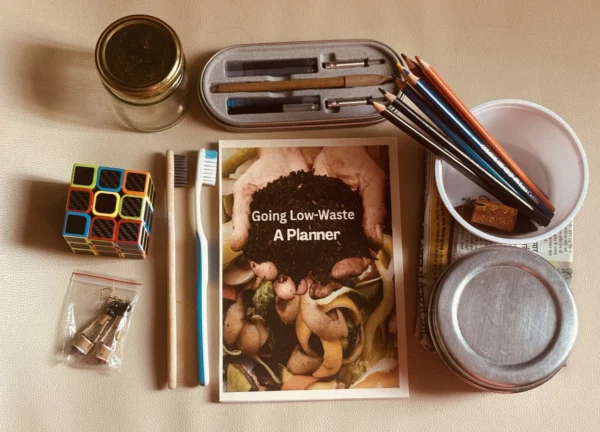
When it comes to safety, of course, hiring an artist has its own concerns when we give our image to someone, but that is more traceable, if that matters in accountability. And easier to trace what is being done with our images as opposed to a nebulous corporation. Plus, with our individualistic mindsets, we often say that generating one picture on AI isn’t going to be the reason for climate collapse, and that might be correct- as Hannah Ritchie, PhD, has shown AI impact could be much lesser than we thought but Gittemarie Johanson, an eco-advocate, showed research that proves the opposite, hence leaving this up in the dust. Yet, trends are captured by millions. And moreover, while our individual actions aren’t the cause of climate chaos, if they don’t add value to our lives, cutting resource-intensive things out or extremely polluting things out, can leave us more time for things that genuinely benefit us and help us move towards more sustainable systems. Is that the only thing that’ll help? Of course not, but charity begins at home after all. And in that spirit, we have made a planner-guide to help you build your own sustainable habits and systems.
When we talk about sustainability or safety, at the end of the day, we have to try and be as inclusive as possible. After all, meeting the needs of today in an equitable manner is part of being an environmentalist, especially an intersectional one. Have I managed to do that here? Of course not. That requires multiple voices and engagement beyond one post, so maybe we can make that trend?
P.S.- I love sarees for sustainability, as the same piece with a few draping differences, can create a whole new look as I did this Navratri for my garba look.


Editor- Shubhr Aakriti
Author’s Note: Thank you for reading. My paywall free published works will soon be up again on Muses_Saga, until then you can go buy the e-books at the store or email me at roongta.bw.anjali@gmail.com for a personalized eco-friendly paperback. Your support keeps this blog going, whether that is sharing or commenting, or buying a subscription or a book or getting items that add value or fulfil needs via our affiliate links (after Zooboping them!)

Premium Subscription
Support Anjali’s Musings and get access to podcast that part of upcoming blogs before everyone else.